Quick Answer: The 48 Hour Mold Timeline
Mold spores activate within 24 hours of contact with water. Visible mycelium and discoloration typically appear at the 48 to 72 hour mark. By day 4, colonies are reproducing and releasing new spores into your air. Speed matters more than any other factor in a water loss.
Hour by Hour Breakdown
| Time Since Water Event | What Is Happening | Action Required |
|---|---|---|
| 0 to 24 hours | Spores absorb moisture, dormant cells reactivate | Extract water, start air movers |
| 24 to 48 hours | Hyphae form, microbial growth begins inside materials | Antimicrobial treatment, controlled drying |
| 48 to 72 hours | Visible mold appears on porous surfaces | Containment, professional remediation |
| 72 hours to 7 days | Active colonies release spores, spread accelerates | Full remediation, possible demolition |
| 7 days and beyond | Structural damage, cross-contamination of HVAC | Comprehensive remediation, air quality testing |
Why the 48 Hour Rule Is Not Negotiable
Insurance carriers, IICRC certified firms, and the EPA all reference the same window because the science behind it is consistent. Once mold establishes itself inside wall cavities, under flooring, or in subflooring, you are no longer drying a structure. You are remediating contamination, which is a different scope of work with a different price tag.
The biology is straightforward. Mold spores exist in nearly every indoor environment at low background levels. They stay dormant until they find three conditions at once: moisture, a cellulose food source, and temperatures between 60 and 80 degrees. A water loss delivers all three within minutes. The 48 hour window is not a marketing number, it is the average time it takes for the most common indoor species (Aspergillus, Penicillium, and Cladosporium) to germinate on saturated drywall paper.
The Materials Most at Risk in Batesville Homes
- Paper-faced drywall, which acts as a direct food source
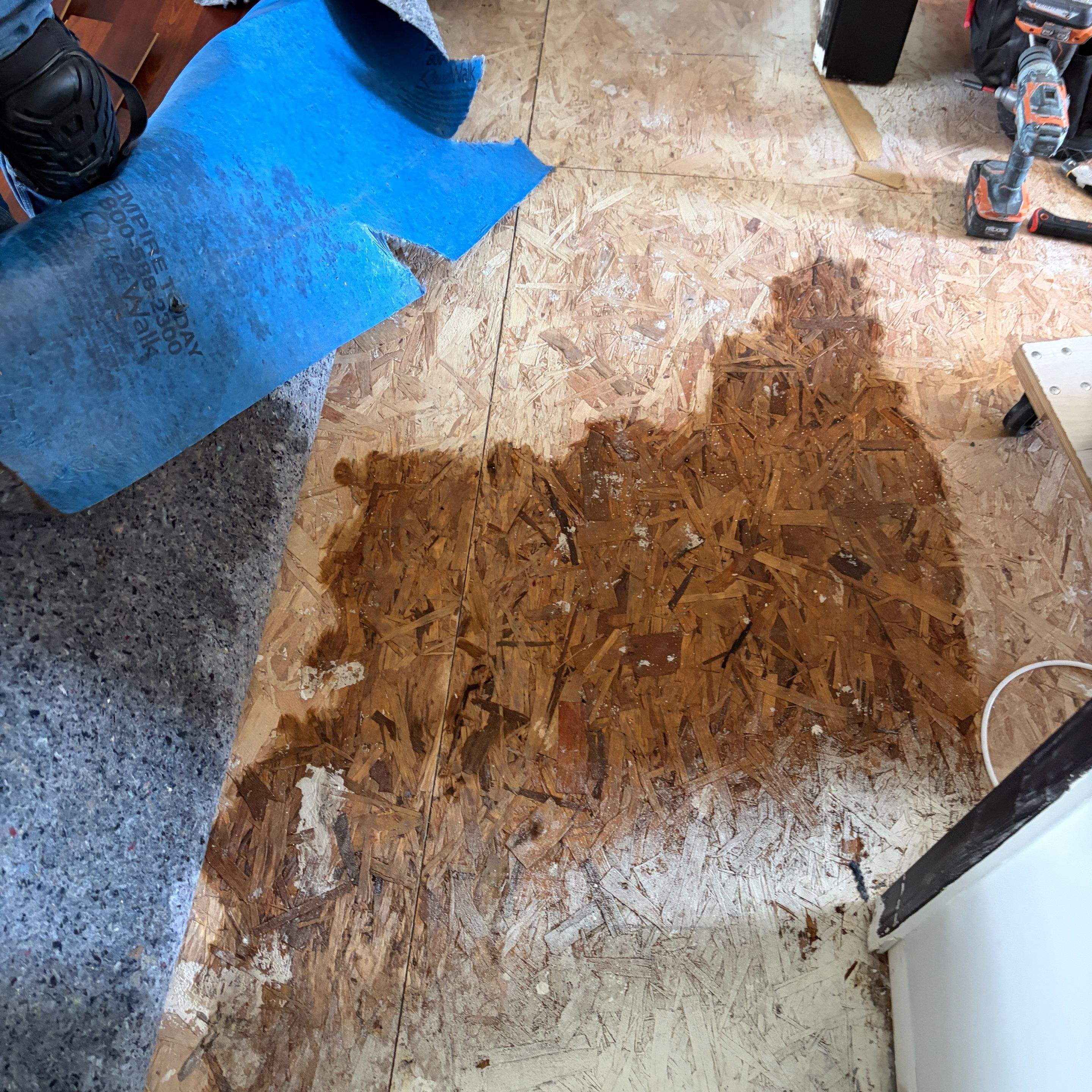
- OSB subfloor and wall sheathing common in homes built after 1990
- Carpet padding, which holds moisture against the slab for days
- Insulation, especially fiberglass batts that wick and trap water
- Cabinetry kick plates and toe kicks where extraction tools cannot reach
- Hardwood flooring, where cupping signals trapped moisture below
If your water loss involved any of these, the clock is already running. Our team often documents elevated moisture readings in materials that look completely dry on the surface. A standard professional drying timeline runs 3 to 5 days with the right equipment, which means mitigation must start before hour 48 to beat the mold window.
What Happens If You Miss the Window
When water damage crosses the 72 hour line untreated, the scope changes from drying to remediation. Batesville Water Restoration sees this pattern across Batesville consistently, and the cost difference is significant.
| Scope | Typical Range | Timeline |
|---|---|---|
| Standard water mitigation (within 48 hours) | $1,500 to $5,000 | 3 to 5 days |
| Mitigation plus localized mold remediation | $4,500 to $12,000 | 5 to 10 days |
| Full remediation with containment and demolition | $10,000 to $30,000+ | 2 to 4 weeks |
Insurance coverage also shifts. Many policies cover sudden water damage but exclude mold that resulted from delayed response. Documenting the loss immediately and calling a certified firm within 24 hours protects both your home and your claim. Adjusters increasingly request drying logs, moisture mapping records, and time-stamped photographs to confirm the homeowner acted promptly. Without that paper trail, mold-related repairs often fall under exclusions or sub-limits that cap payouts at $5,000 or less.
Conditions That Accelerate Mold Growth
Not every water loss progresses at the same speed. Several factors push the timeline faster than the standard 48 hour benchmark, and Batesville homes hit several of them every summer.
- Indoor temperatures above 70 degrees with no active HVAC circulation
- Category 2 or Category 3 water containing organic contamination
- Sewage backups, where biological material seeds growth immediately
- Standing water deeper than half an inch on porous flooring
- Closed rooms with no ventilation, like finished basements
- Pre-existing humidity above 60 percent before the loss occurred
Basement floods are the worst offender. Cool concrete, slow evaporation, and limited airflow create a near-perfect mold incubator. If you are dealing with a wet basement right now, the basement flooding response process needs to begin within hours, not days.
Hidden Moisture Pockets That Restart the Clock
Even after surface water is removed, mold can germinate behind baseboards, inside wall cavities, under tack strips, and beneath laminate flooring seams. Batesville Water Restoration technicians use thermal imaging and pin meters to map these pockets because a single missed area can reseed an entire room. The most common oversights we find on second opinion inspections include moisture trapped behind vinyl wallpaper, water wicked up paper-faced drywall by capillary action, and saturation inside hollow door frames that act like sponges.
What You Can Do Right Now
Before professional equipment arrives, these steps slow mold growth and preserve materials that might otherwise need replacement.
- Shut off the water source if the leak is active
- Photograph everything before moving items
- Remove standing water with a wet vac if it is safe
- Lift wet rugs, towels, and soft goods off flooring
- Open windows only if outdoor humidity is below 50 percent
- Run your HVAC fan on circulate, not heat or cool
- Pull furniture away from wet walls
- Call a certified restoration firm within the first 24 hours
For losses involving contaminated water, skip the DIY entirely. Review the water damage category breakdown to understand what you are dealing with before exposing yourself to bacteria or sewage residue.
When to Stop and Call for Help
If you smell a musty odor within 24 hours, see staining spread across drywall, notice family members developing headaches or respiratory symptoms, or find that moisture readings are not dropping after a full day of fans, stop working and call Batesville Water Restoration. These signals mean the loss has outpaced consumer-grade equipment, and continuing to push air through contaminated materials only spreads spores further into your home.