Commercial Mold Remediation in Batesville, IN
Chronic damp feeding growth in your Batesville building? Batesville Water Restoration corrects the source alongside the remediation to the IICRC S520.
Need Commercial Mold Remediation in Batesville? Batesville Water Restoration schedules certified assessments, delivers written scopes before any work starts, and coordinates with your insurance carrier on approved claims. Call (765) 517-7678.
- Service: Commercial Mold Remediation for Batesville homeowners
- Service area: Batesville, IN and surrounding areas
- Response time: Scheduled inspection, typically next business day or sooner
- Licensed and insured (License #RC21100059)
- Serving Batesville, IN since 2018
Commercial Mold Removal in Batesville
For commercial buildings in Batesville, we'll track down the water feeding mold growth before any material comes out.
Moisture Sources Here
Buildings near Laughery Creek can take on floodwater, and anything left wet afterward can grow mold. We'll go over the air handling and any past leaks on the first walkthrough with whoever runs the building.
We take commercial mold jobs anywhere in Batesville, including the streets around Batesville Memorial Public Library. We also handle commercial mold work in Lawrenceburg, Versailles, Greensburg and Oldenburg.
Commercial Mold Remediation for Batesville Businesses
Occupied buildings are the hard version of this work. You can't close the floor, and the tenants and the corridor outside the work area have to keep working. Batesville Water Restoration runs commercial mold remediation in Batesville with sealed containment, negative air machines exhausting through HEPA filtration, and decontamination entries that keep the rest of the building out of the work zone. Scheduling around business hours is usually part of that plan.
Batesville Water Restoration starts commercial mold work in Batesville by finding the water. Crews walk the affected area with thermal imaging and moisture meters, lift ceiling tiles where the readings point and open small inspection ports in wall assemblies. The scope gets written from that survey, because a scope built from a visible stain usually understates the area.
Taking containment down is a controlled step of its own. Once cleaning is verified in your Batesville building, Batesville Water Restoration HEPA vacuums the inside face of the poly and folds it inward as it comes off the framing. The bagged poly leaves through the entry route while negative air machines run until the last sheet is down, and the floor gets a final wipe.
Photographs taken before anything gets touched are among the most useful in a claim file. Take wide shots of each room, close ups of the staining with something in the frame for scale, the back of any lifted ceiling tile and the suspected source, all with date stamps on. Batesville Water Restoration adds its own photographs once the crew is working in Batesville, and your set shows the condition as found.
An industrial hygienist and a remediation crew fill separate roles, and a call to Batesville Water Restoration sorts out how they fit together on your Batesville project. The hygienist writes the protocol and performs the verification while the crew handles containment and removal, which keeps the two roles independent. The scope follows whichever protocol the owner adopts.
Signs You Need Commercial Mold Remediation
If you notice any of these in your Batesville building, schedule a free inspection before the issue worsens.
Cove base pulling away from the wall with dark residue on the back of it
Snowmelt that pools at an entry threshold and keeps the wall base damp every winter
Block or masonry walls in a mechanical room that stay damp to the touch
Staining on the underside of carpet or pad that shows when a seam lifts
Rust or corrosion along the bottom track of metal studs where a wall has been opened
A room that was dried out after a leak but still smells damp weeks later
Cabinet bases in a break room that have swollen or delaminated around a sink supply line
A leak behind a refrigerated case or ice machine that discolored the wall base
Lower level carpet or drywall that stayed wet for days after storm water came in at a door
A musty, earthy odor in one suite that gets noticeably stronger when the air handler cycles on
How Batesville Water Restoration Handles Commercial Mold Remediation
We follow these steps in order on every Batesville job.
Initial Call and Access Planning
You describe what you're seeing and Batesville Water Restoration asks about the building: occupancy, access rules, who holds the keys and whether anyone has opened the area. That conversation sets up the inspection around your schedule.
Protocol and Consultant Review
When an industrial hygienist or an engineer is involved, Batesville Water Restoration reviews their documents with them before the scope is finalized. Containment limits and verification steps get reconciled with the building's constraints on paper first.
Written Scope and Approval
The Batesville Water Restoration team puts the findings in writing: containment boundary, which assemblies come out, which get cleaned in place, and the moisture source that has to be corrected. The building owner or property manager approves it before any material is disturbed.
Utility Isolation and Power Plan
Circuits and water lines that pass through the work area get isolated by the building engineer, and the crew confirms they're dead or shut before demolition. Dedicated power gets located for the negative air machines so pressure holds overnight.
Containment Construction
Poly and framing seal the work area off from occupied space, with a decontamination entry built at the access point. Every supply and return register inside the zone gets sealed so the air handling system stops moving air through it. Barriers get inspected before work starts.
Commercial Mold Remediation in Batesville
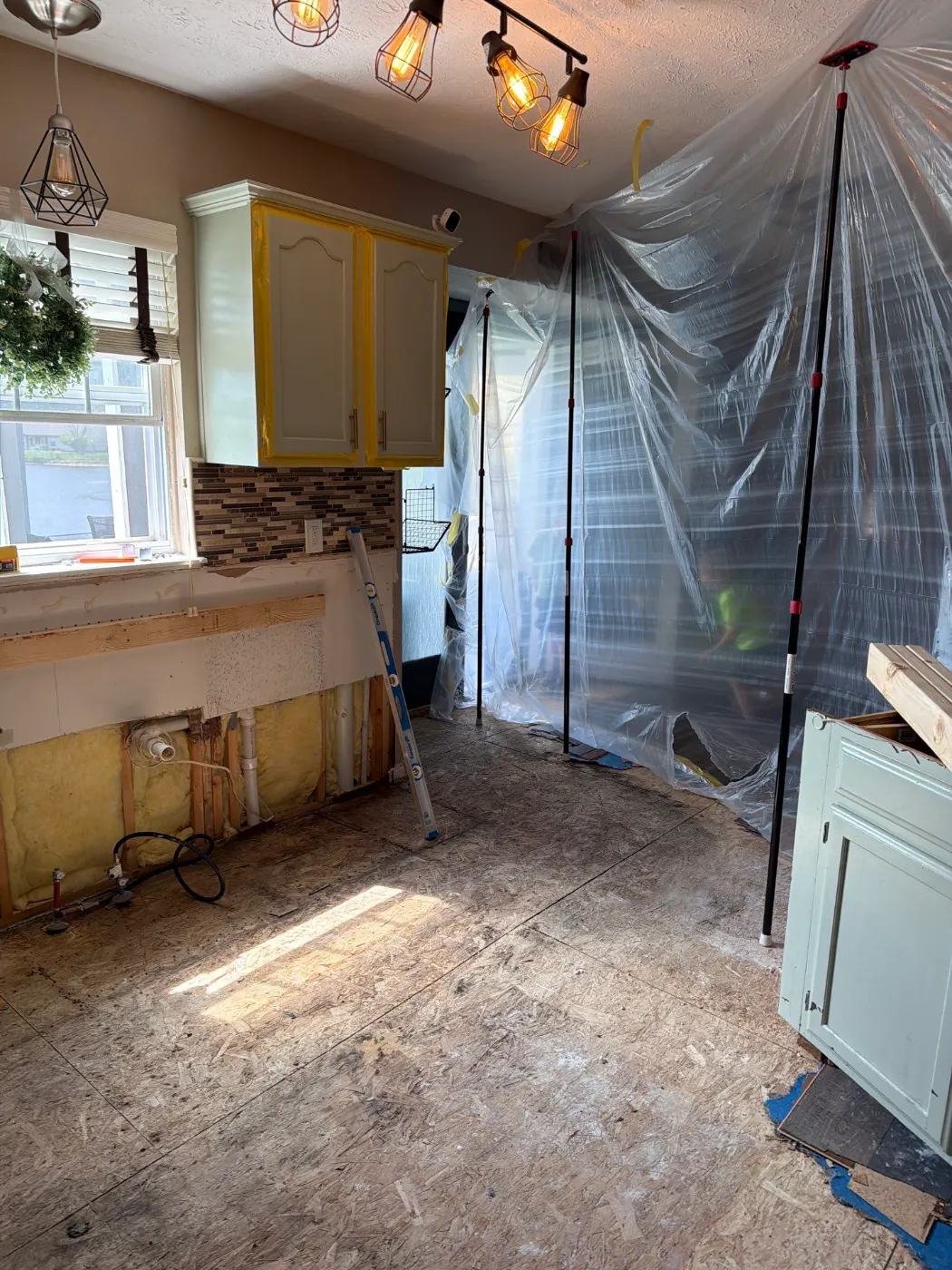
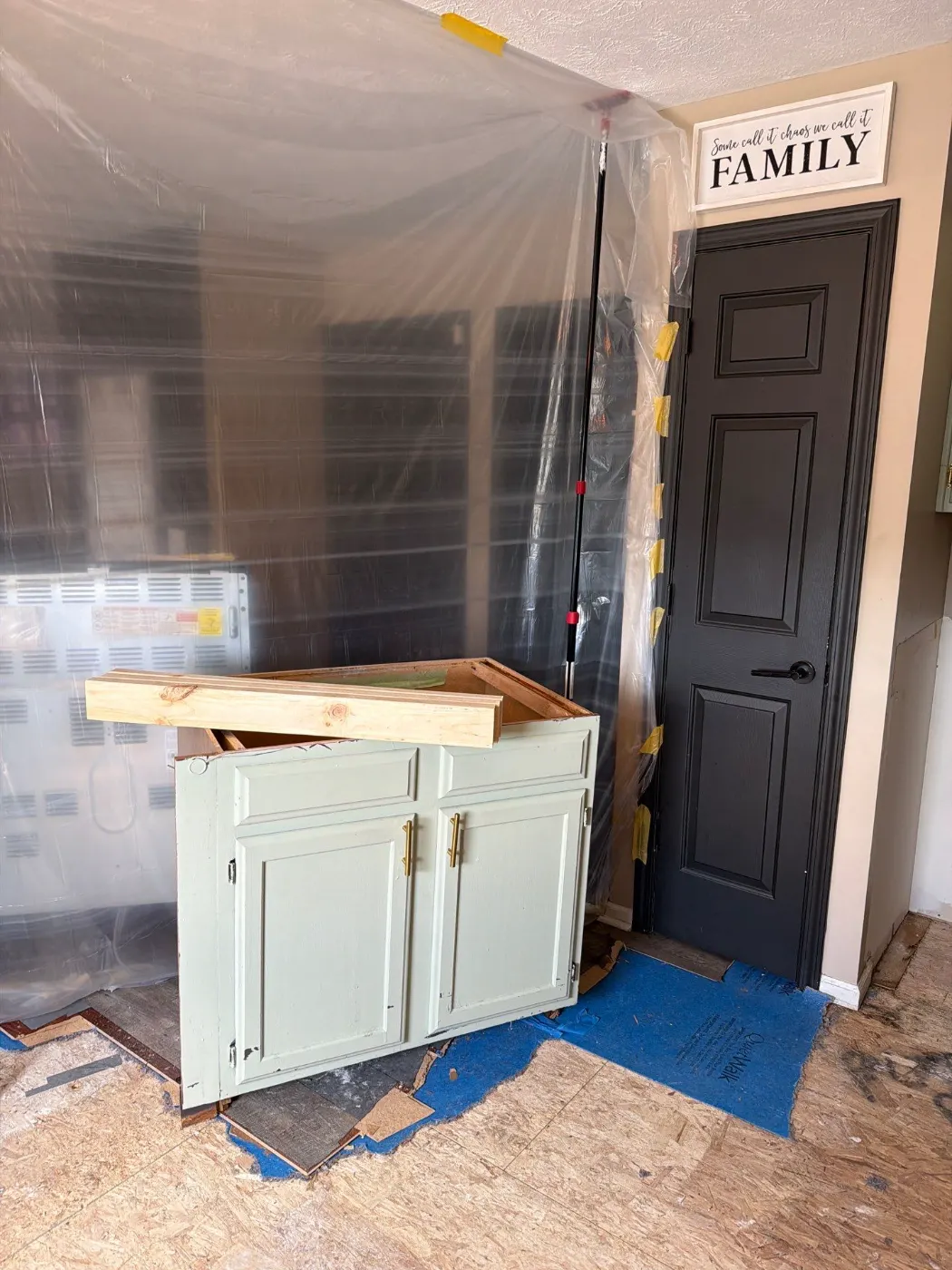
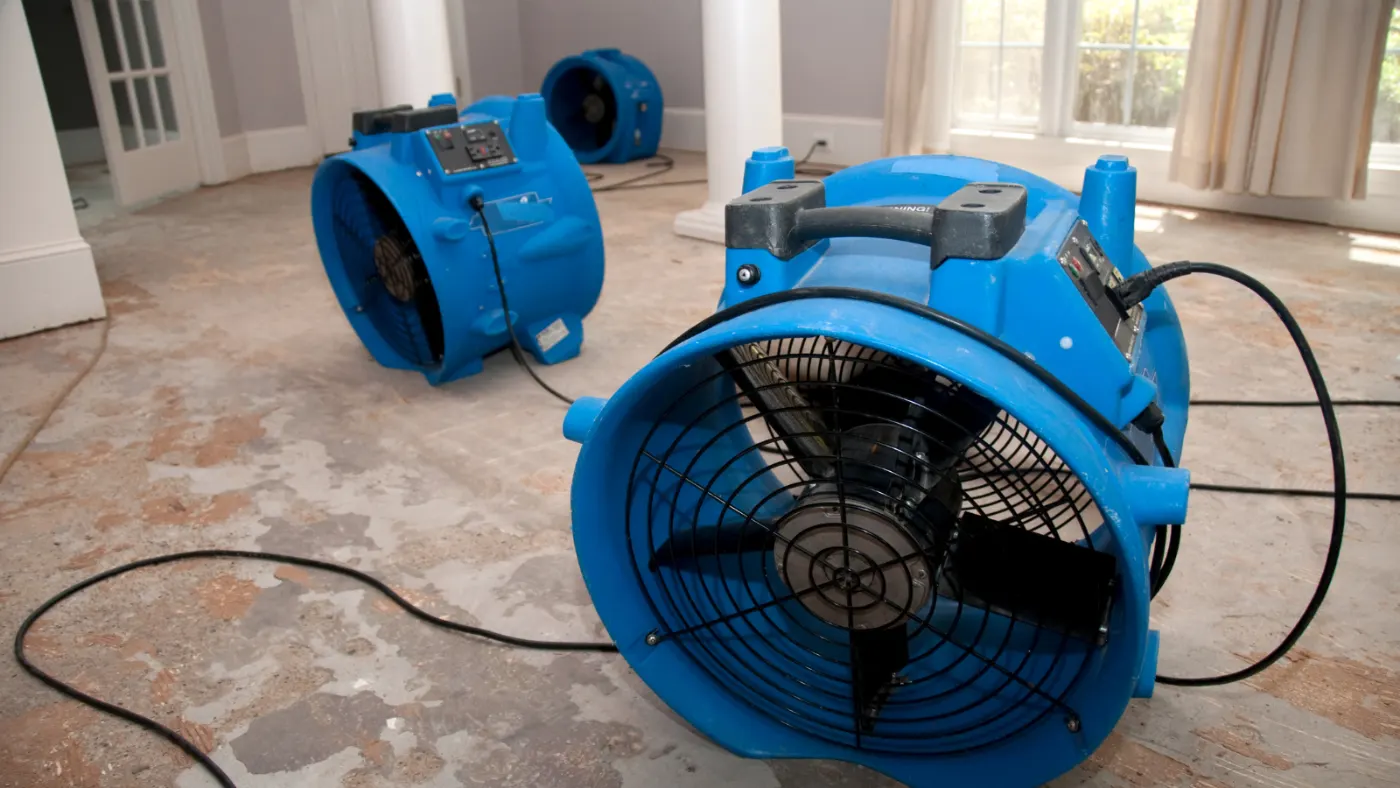
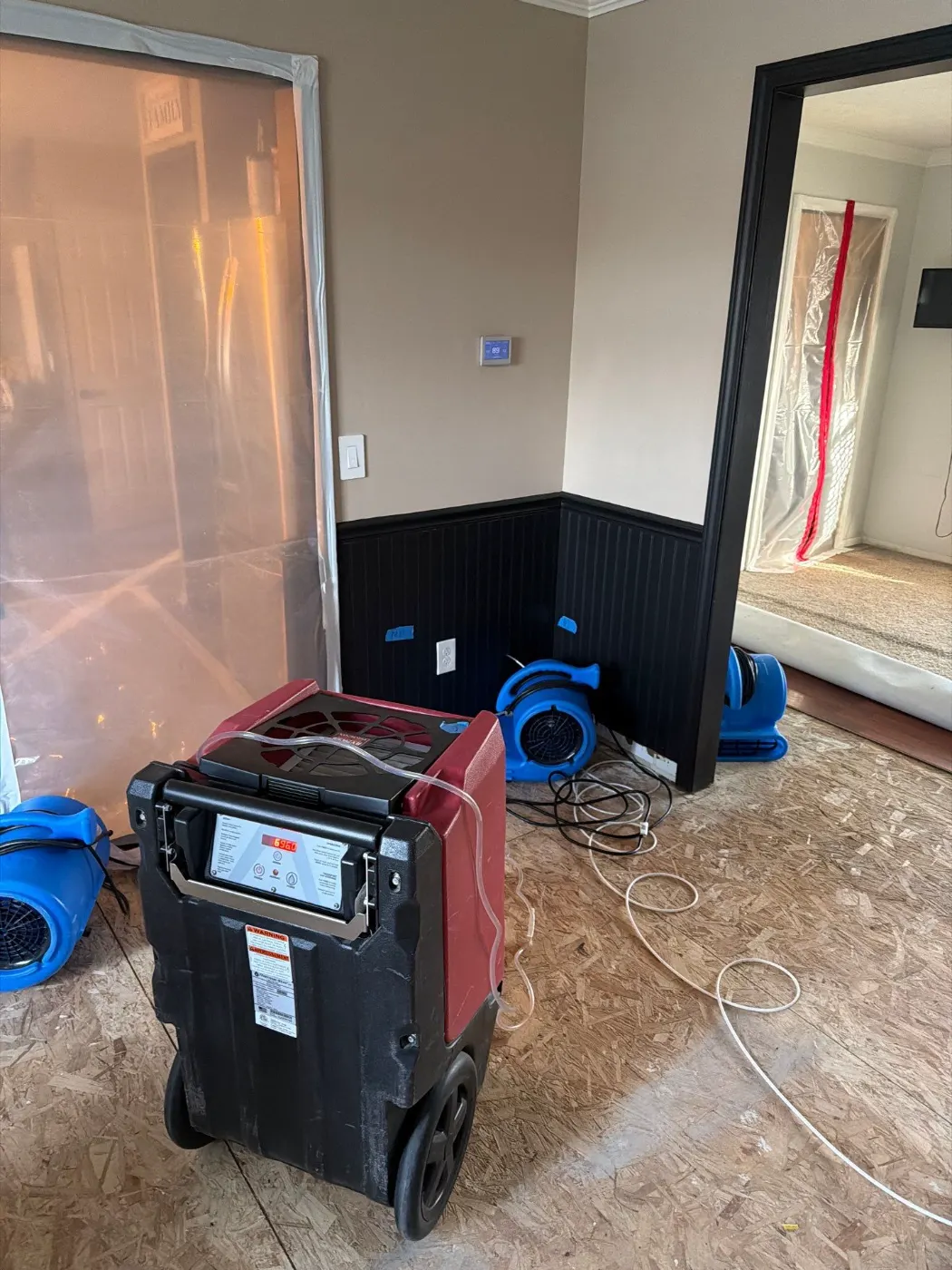
Photographs from real commercial mold remediation jobs completed by our crew in Batesville and surrounding areas.
Commercial Mold Remediation FAQ
Questions Batesville property managers ask us about commercial mold remediation.
Guidance and Standards for Commercial Mold Remediation
- The ANSI/IICRC S520 is the published standard for professional mold remediation. The current edition is the Fourth Edition, 2024. IICRC S520 Standard
- EPA’s mold guide says the key to mold control is moisture control. EPA: A Brief Guide to Mold, Moisture and Your Home
Batesville Neighborhoods We Serve
We take commercial mold remediation calls in every part of Batesville. Pick your neighborhood for local details.
Other Restoration Services in Batesville
Batesville Water Restoration handles the full scope of restoration work. Explore our other services below.
Water Damage Restoration in Batesville
24/7 emergency response. IICRC certified water restoration from extraction to full dry out.
Learn more →Basement Flooding in Batesville
Basement water emergencies handled fast. Extraction, drying, mold prevention.
Learn more →Sewage Cleanup in Batesville
Category 3 biohazard cleanup. Full containment, decontamination, structural restoration.
Learn more →Request Commercial Mold Remediation
Reach Us Directly
Our team is available 24/7 for emergencies and ready to schedule inspections during business hours.
Need Immediate Help?
For active water or mold emergencies, call us directly. We are available 24/7.